Organizational Development Trends Shaping Australian Workplaces
Australian organisations are rethinking how they structure teams, develop leaders, and measure culture. The pressure to stay adaptable, retain talent, and deliver a stronger employee experience is accelerating change across every industry.
What is driving organisational change right now?
Across Australia, leaders are balancing cost pressures, employee expectations, skills shortages, and the need for resilient operating models. Organisational development is no longer a periodic review; it is becoming a continuous discipline that helps businesses adapt with clarity and confidence.
Flexible structures
Teams are shifting away from rigid hierarchies toward more fluid operating models that can respond faster to changing work demands.
Leadership agility
Managers are expected to coach, communicate, and make decisions with greater speed while navigating uncertainty and change.
Data-led decisions
Culture, engagement, and capability assessments are becoming more structured, allowing leaders to target interventions with real evidence.
The rise of hybrid and flexible organisational structures
Hybrid work has matured beyond a workplace perk. For many Australian employers, it now shapes how teams are organised, how leaders manage performance, and how collaboration happens across locations and time zones.
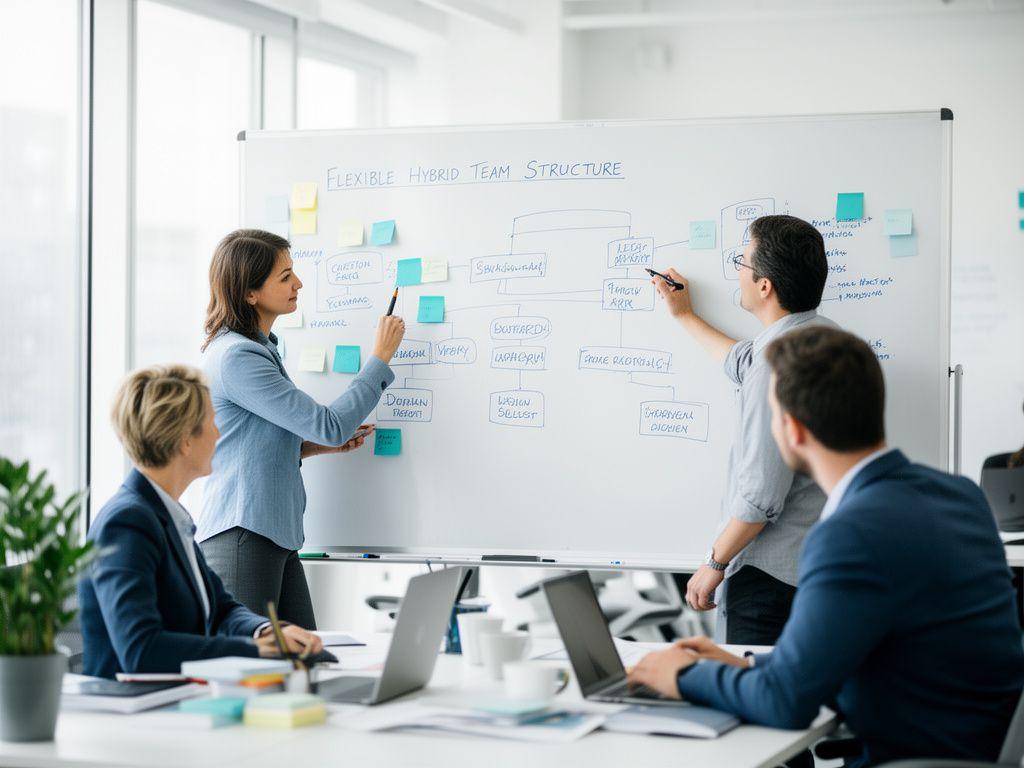
Organisations are increasingly adopting networked structures, cross-functional pods, and project-based teams. These models can improve responsiveness, but only when expectations, decision rights, and communication rhythms are clearly defined.
The most effective organisations are redesigning processes around outcomes rather than presenteeism, creating more autonomy while keeping accountability visible and measurable.
Why it matters
A flexible structure can reduce friction, improve collaboration, and make it easier to scale teams without adding unnecessary complexity.
Leadership agility and adaptive change are becoming essential
In an environment defined by uncertainty, leaders are expected to do more than manage tasks. They need to translate strategy into action, maintain trust during change, and help people stay focused through ambiguity.
That is why many organisations are investing in leadership capability that builds self-awareness, change readiness, and coaching skills. The goal is not simply better management, but more adaptive leadership at every level of the business.
Forward-thinking organisations are also embedding leadership behaviours into performance frameworks so that agility becomes part of everyday practice rather than an occasional workshop topic.

Leadership capability focus areas
- Clearer communication during periods of change
- Stronger coaching and feedback habits
- Decision-making that balances speed with care
Data-driven culture assessments are becoming standard practice
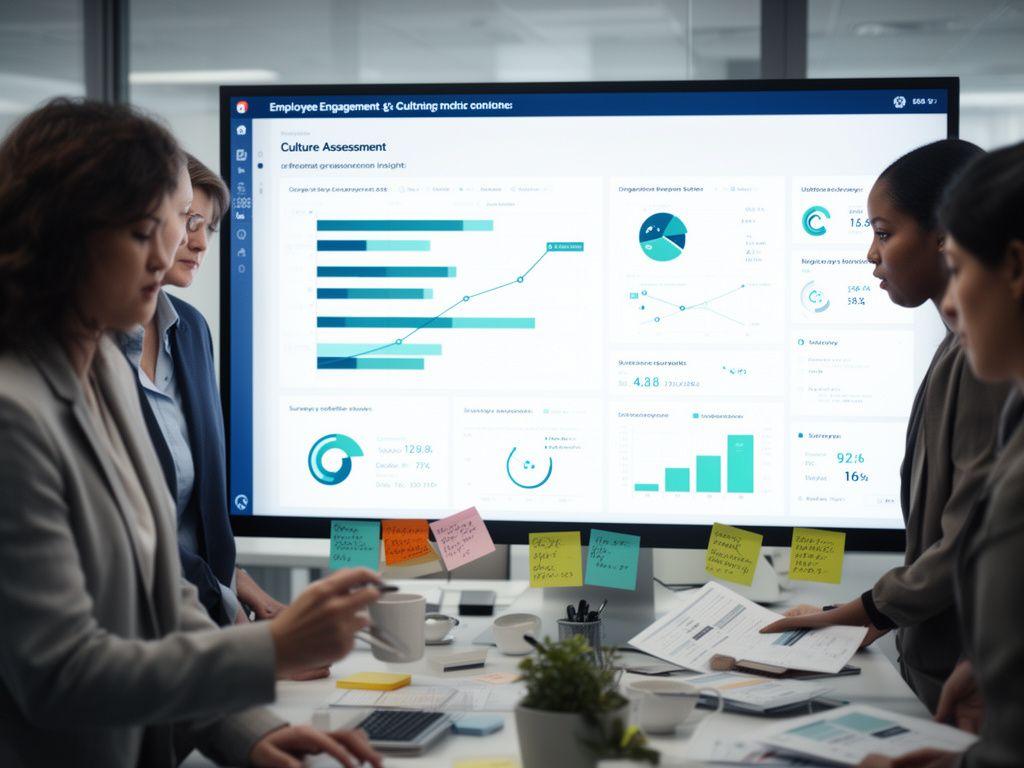
Culture used to be discussed in broad, abstract terms. Today, organisations are using employee surveys, pulse checks, listening sessions, turnover data, and capability mapping to understand what is really happening beneath the surface.
When done well, data-driven assessments help leaders identify patterns in engagement, inclusion, workload, and performance. They also provide a stronger foundation for decisions about role design, team structure, and development investment.
The key is to pair data with human interpretation. Numbers can reveal where to look, but dialogue and context determine what to do next.
Common assessment inputs
What organisational development may look like over the next five years
We expect OD to become even more integrated with workforce planning, employee experience design, and leadership development. Organisations will likely use better people data, more targeted capability building, and more collaborative ways of working to remain competitive. The strongest businesses will treat organisational design as a strategic advantage, not a reactive fix.
Ready to strengthen your organisation?
If you are reviewing team design, leadership capability, or culture challenges, Gropius HR Labs can help you turn insight into practical action. We work with leaders to build organisational systems that are people-centred, evidence-based, and built for the future.